Anarchists of Animation: How the Creators of The Girl Who Cried Pearls Broke Every Rule—and Made Magic
Anarchists of Animation: How the Creators of The Girl Who Cried Pearls Broke Every Rule—and Made Magic
When people think of stop-motion animation, they often imagine the creators as meticulous perfectionists who painstakingly adjust every frame, obsessing over the tiniest details. And while the duo behind The Girl Who Cried Pearls are undeniably precise and detail-oriented, the process of making this film revealed something far more playful: a willingness to embrace the unexpected.
By allowing room for experimentation and spontaneity, Chris Lavis and Maciek Szczerbowski discovered that mistakes transformed the creative process. In their own words: “Indeterminacy, sometimes called a happy accident, was for us a trusted, invisible collaborator.”
Here are some of the delightful accidents that helped shape the soul of the film.
WEATHERED LOOK
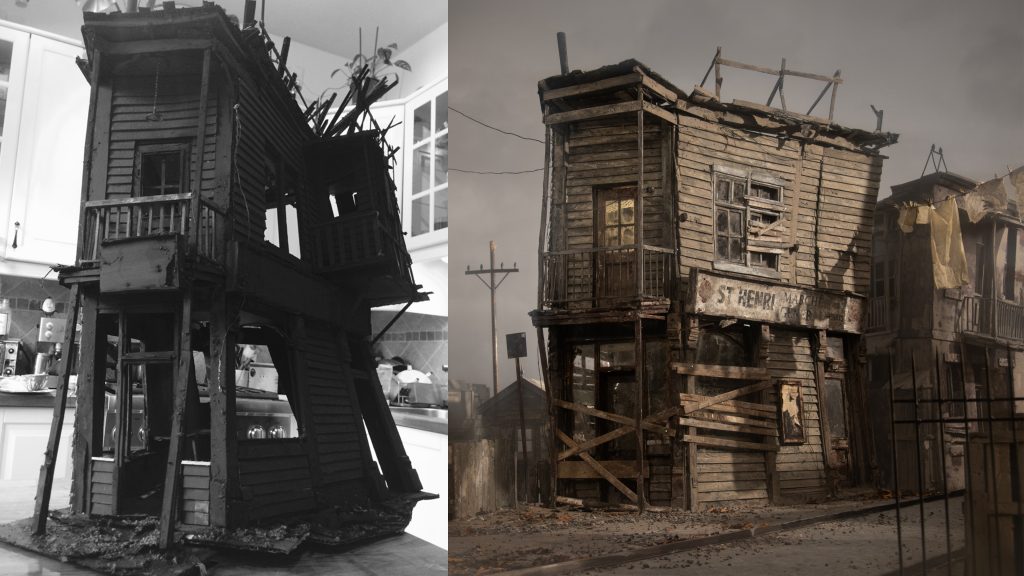
While constructing the set—inspired by Montreal at the beginning of the 20th century—misfortune influenced the look of the run-down house. The filmmakers explained: “The original maquette of the house was left outside our studio to dry. An unexpected rain squall hit and by the time we returned, the prop was warped out of shape. But actually, it looked so much better that way, so we incorporated the warps into the final model.”
RANDOM FINDS AND RECYCLING MINDSETS
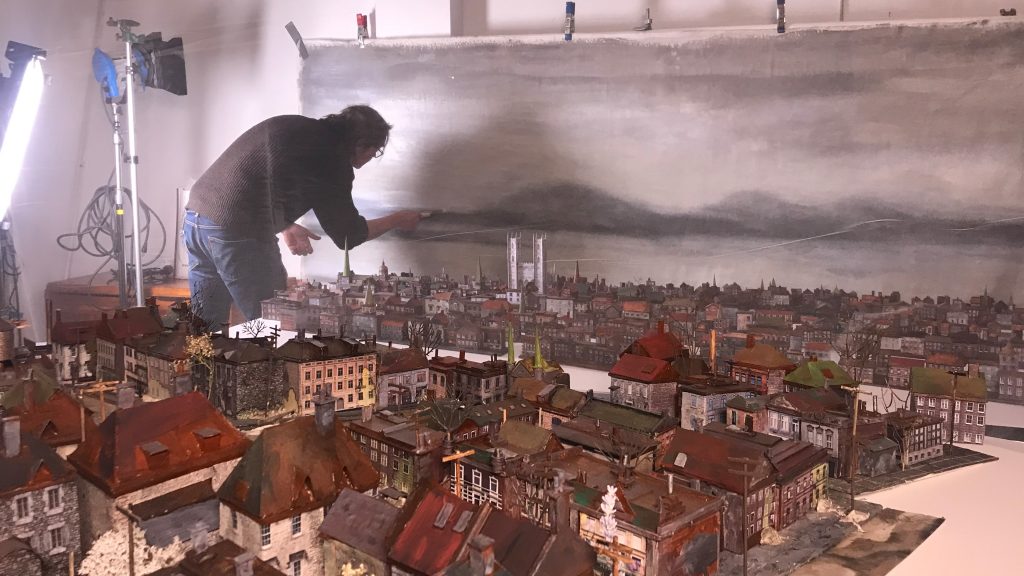
The creators of The Girl Who Cried Pearls adopted a scavenger’s mindset, transforming discarded objects into set materials. Steel bristles shed from street-cleaning trucks became structural supports, while rain-soaked cardboard, rotten wood and empty pill bottles found new life in the miniature world they built. Tiny toys and clocks from a dollhouse were used to fill up a pawn-shop interior, and items from past films were also recycled. Eagle-eyed viewers might spot the record player from Madame Tutli-Putli and the piano from the VR experience Gymnasia. This inventive reuse added texture and authenticity to the set’s visual language.
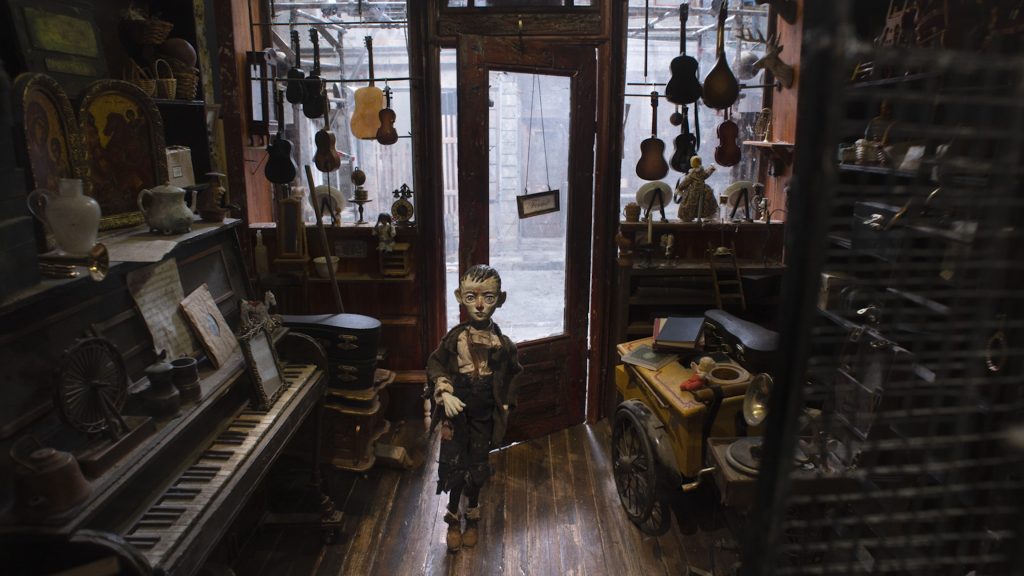
The filmmakers developed a novel painting technique for the film, using garbage bags to create random, irregular patterns on surfaces. This simple, rapid technique was instrumental for giving the decor an aged, weathered look.

COVID MISCOMMUNICATIONS
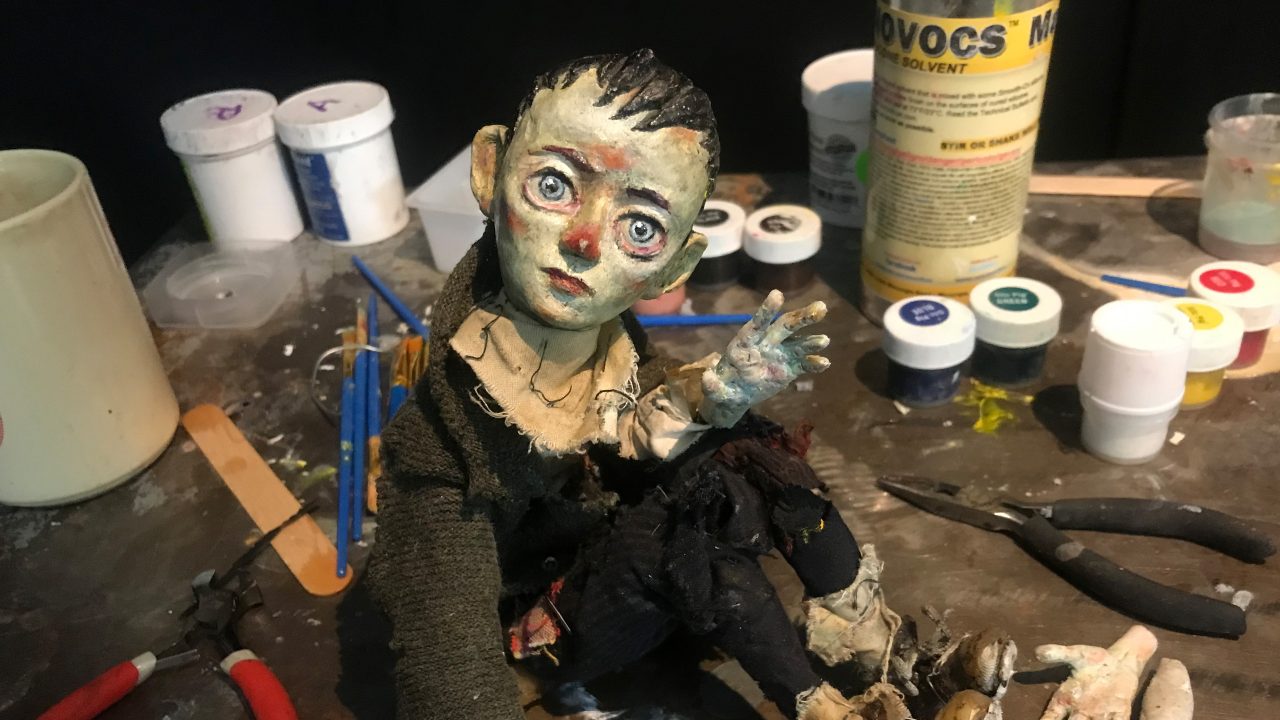
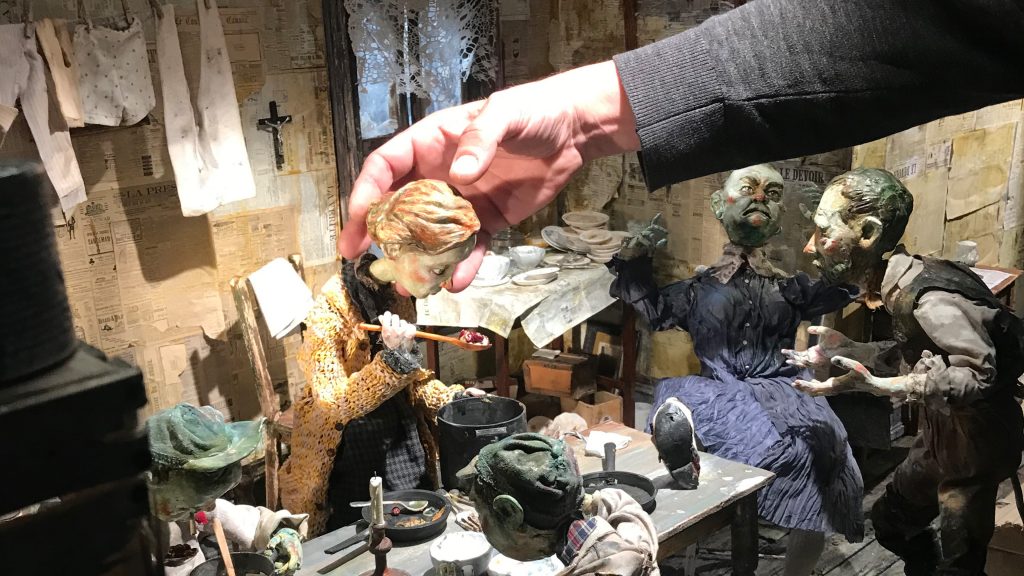
During the first few weeks of COVID lockdown, Chris and Maciek were forced to build puppets separately in their homes (one sculpting the heads, the other the bodies); they only met occasionally—“in some back alley, six feet apart”—to check each other’s progress. A scale mix-up led to the heads being much bigger than the bodies. This should have been a disaster, costing weeks of work, but the filmmakers decided to embrace the mistake, and oversized heads became a part of the film’s aesthetic.
BUDGET LIMITATIONS
For the first time in their career, the filmmakers wrote a story with extensive dialogue and narration. But the film’s budget only allowed for three minutes of mouth animation—for a 16-minute story. There seemed to be no solution, other than re-writing the story or giving up. But then, they remembered that for most of the long history of puppetry, puppets emoted without moving mouths, blinking or expressions of any kind. If a child could give life to a puppet or doll without CG trickery, they thought, why wouldn’t that work in a movie as well?
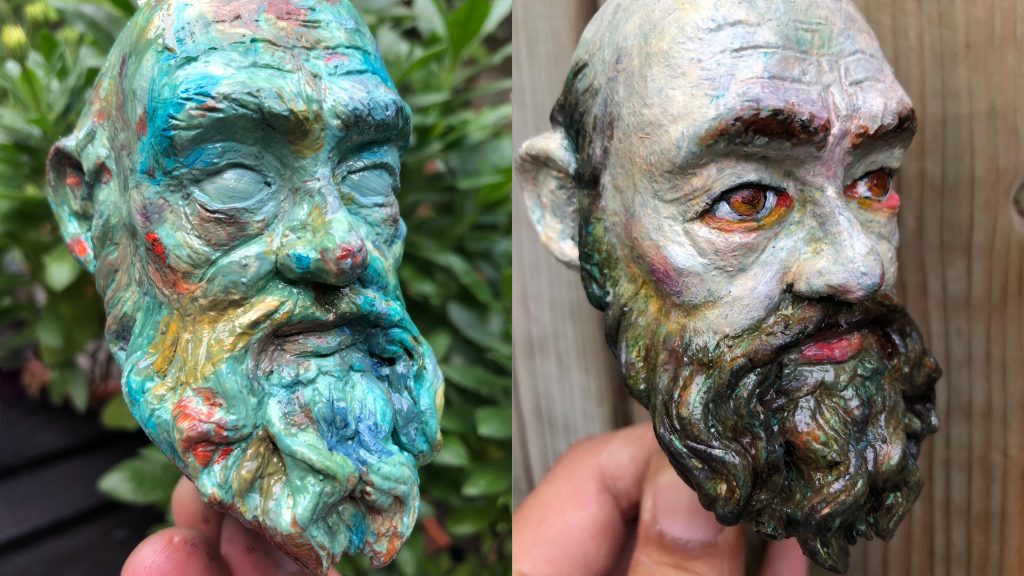
They decided that CG mouth animations would only be used for scenes set in the present, while for scenes set in the past, the puppets would have fixed expressions: they could only emote through gesture and pantomime. The modern-day puppets would be painted in silicone, while the characters from the past would be painted in oil, evoking wooden church idols or puppet theatre marionettes. The contrast between the two styles, past and present, modern and nostalgic, perfectly suited the themes of the film.
ANIMATION WITHOUT STORYBOARDS
Instead of storyboarding, the creators embraced a more intuitive and organic process. They built rough mock-ups of sets, rehearsed with actors and filmed the entire script from multiple angles. This process allowed them to capture “weird little nuances and real behaviour” and preserve spontaneity in both the performances and the camera work.
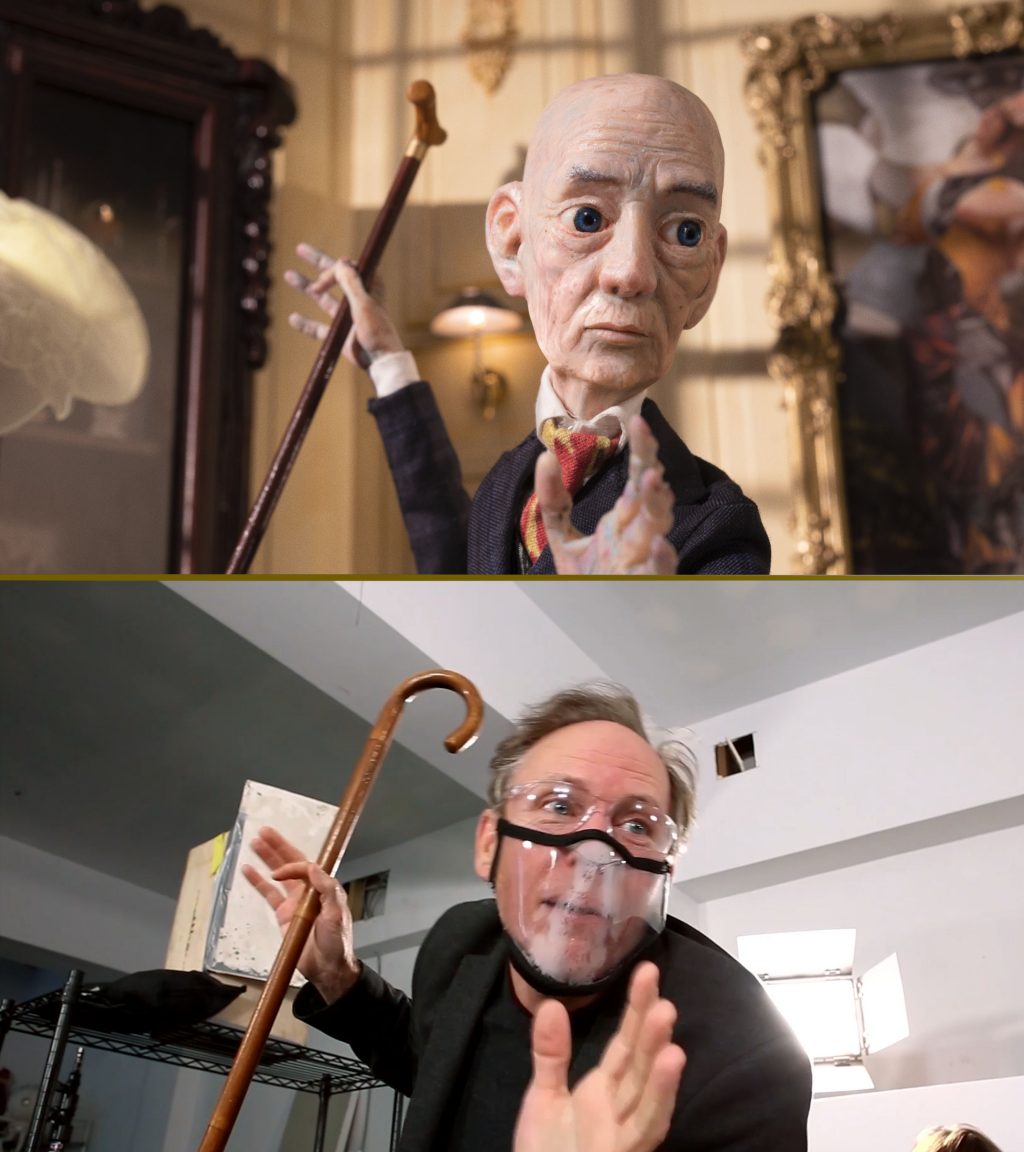
In breaking the rules and embracing mistakes, Lavis and Szczerbowski transformed accidents into opportunities. The stunning result reminds us that, in life as in art, the most important element of magic is surprise.
Watch the film:
The Girl Who Cried Pearls, Chris Lavis & Maciek Szczerbowski, provided by the National Film Board of Canada