And the Oscar Goes to…
And the Oscar Goes to…
At every Oscars ceremony, when the presenter speaks this legendary short phrase, everything comes to a stop. Silence reigns as we wait for the envelope to be opened. The anticipation is palpable. Nominees hold their breath, hoping to hear their name, or the name of their film. It’s a moment that many artists and craftspeople from the National Film Board of Canada have experienced.
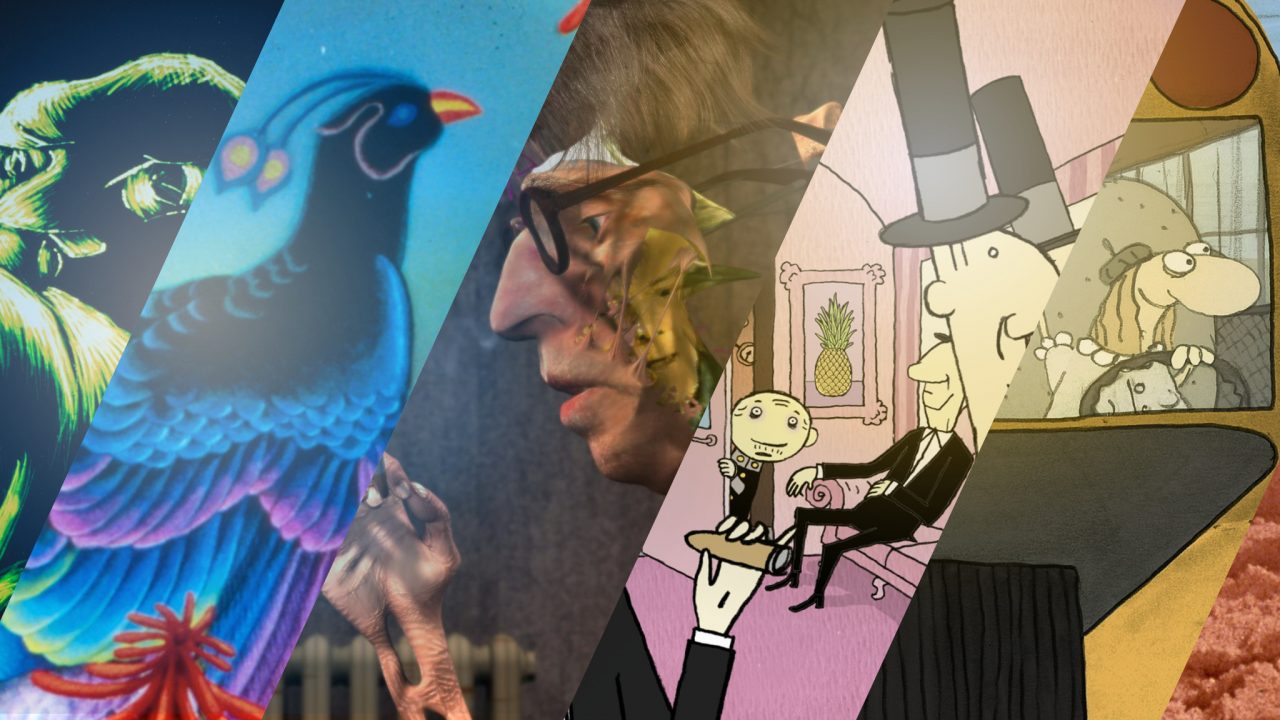
NFB productions and co-productions have already taken home 11 of the coveted statuettes and received 79 nominations, most recently for Chris Lavis and Maciek Szczerbowski’s The Girl Who Cried Pearls (2025) in the Best Animated Short Film category. To mark its 50th anniversary in 1989, the NFB was also awarded an honorary Oscar for all-round excellence in cinema.
The Girl Who Cried Pearls, Chris Lavis & Maciek Szczerbowski, provided by the National Film Board of Canada
While we wait to find out if Lavis and Szczerbowski will win a 13th Oscar for the NFB, let’s take a look at our organization’s Academy Award-winning films.
On February 25, 2007, Abigail Breslin, the young star of the film Little Miss Sunshine, and Jaden Smith, the daughter of actors Will Smith and Jada Pinkett Smith, were both on stage to give out the Oscar for Best Animated Short Film. The winner was The Danish Poet (2006).
The film was directed by Norwegian-born Torill Kove—her second directed at the NFB, and both were nominated for Oscars. By the time of the ceremony, The Danish Poet had already garnered more than 20 international awards. Narrated by actor Liv Ullmann, it charmed viewers with its subtle humour, melancholic tone and poetic approach.
The Danish Poet, Torill Kove, provided by the National Film Board of Canada
Two years earlier, filmmaker Chris Landreth received the same award, handed to him by American actor Laura Linney, for his film Ryan (2004). In his acceptance speech, he dedicated the Oscar to filmmaker Ryan Larkin, whose name graced the title of the film, and made sure to highlight the visionary work of NFB producer Marcy Page.
In Ryan, Landreth talks about Larkin’s life and work. We hear the voices of Larkin, a legendary animator, and of people who knew him well, through 3D-animated figures. The images are breathtaking. It’s a masterful film that won some five dozen awards around the world—the most for an animated short in the NFB’s history.
Ryan , Chris Landreth, provided by the National Film Board of Canada
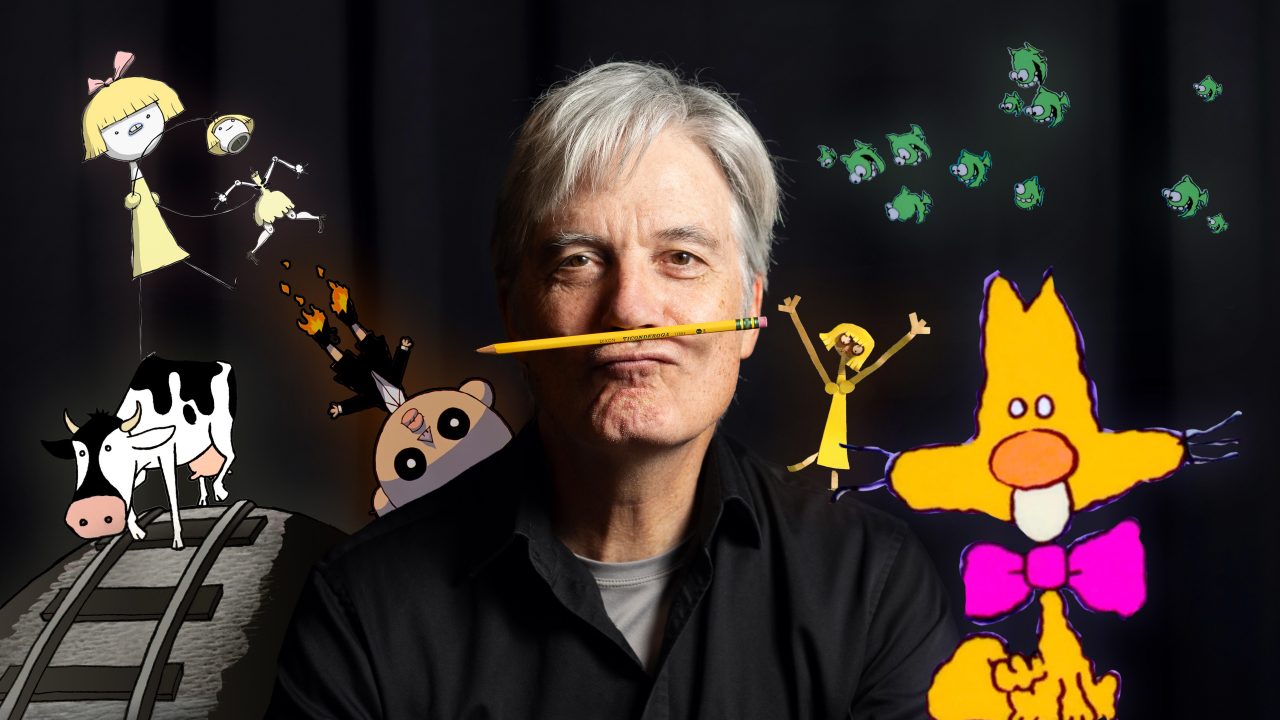
In 1995, at the 67th Academy Awards ceremony, none other than Bugs Bunny and Daffy Duck handed out the Oscar for Best Animated Short. This time, the statuette went to Bob’s Birthday (1993), directed by Alison Snowden and David Fine.
This film was so successful that it wound up having an animated TV series based on it. Bob’s Birthday led to the series Bob and Margaret, with the same two characters from the NFB short as the leads. It aired on the BBC and Channel 4 in the UK, on Comedy Central and Showtime in the United States, and on Global in Canada. The series ran for four 13-episode seasons.
Bob’s Birthday, Alison Snowden & David Fine, provided by the National Film Board of Canada
On March 29, 1989, at the 61st Academy Awards and on the occasion of the NFB’s 50th anniversary, Donald Sutherland and his son Kiefer presented the NFB with an honorary Oscar in recognition of its “overall excellence in cinema” and commitment to artistic, creative and technological excellence. Marcel Masse, federal minister of communications (under which the NFB fell at the time), accepted the award, accompanied by filmmakers Colin Low and Anne Claire Poirier.
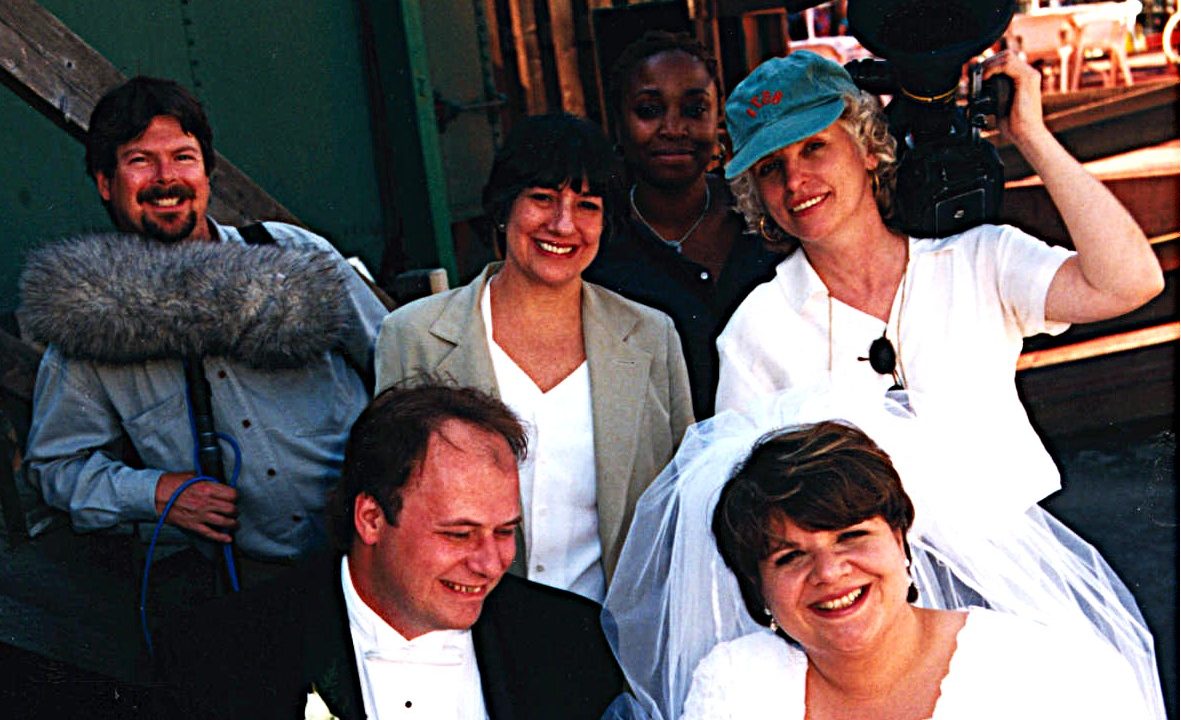
The NFB’s Oscar winners have not all been animated shorts, though. On April 9, 1984, filmmaker Cynthia Scott won the Best Documentary (Short Subject) Oscar for Flamenco at 5:15 (1983). She stepped onto the stage accompanied by producer Adam Symansky, who, in his speech, reminded the audience that the NFB is publicly funded by the people of Canada, and thanked the Academy on behalf of the Film Board’s 25 million investors (the population of Canada at the time).
Produced by the renowned Studio D, one of the world’s first feminist production studios, the film takes us inside a flamenco class at the National Ballet School of Canada, taught by Susana Audeoud and Antonio Robledo. Quite classical in its approach, Scott’s short film powerfully and emotionally conveys the passion of the Spanish instructors and their students.
Flamenco at 5:15, Cynthia Scott, provided by the National Film Board of Canada
The previous year, the Oscar for best documentary short also went to a Studio D production: Terre Nash’s debut film, If You Love This Planet (1982). Nash had previously worked at Studio D as a researcher, writer and distribution coordinator. The film presents a speech given at a conference by Dr. Helen Caldicott, an Australian physician and anti-nuclear activist, about the catastrophic consequences of a nuclear war for the Earth and its population. The film was a huge hit, airing on CBC and garnering a lot of reaction from audiences, including from people who’d never truly grasped the disastrous effects of nuclear war. It was screened in theatres and non-commercial venues across Canada, distributed in 20 countries and provoked the same passionate response internationally as it had at home.
If You Love This Planet, Terre Nash, provided by the National Film Board of Canada
From 1977 to 1979, the NFB owned the Best Animated Short Film category, winning the prestigious statuette back-to-back-to-back for The Sand Castle (1977), by Co Hoedeman; Special Delivery (1978), by John Weldon and Eunice Macaulay; and Every Child (1979) by Eugene Fedorenko.
The Sand Castle, Co Hoedeman, provided by the National Film Board of Canada
On April 3, 1978, during the 50th Oscar ceremony, Mickey Mouse (who was also turning 50) took the stage of the Dorothy Chandler Pavilion, accompanied by actor/singer/songwriter Paul Williams and a very young Jodie Foster, to read out the names of the nominees, and presented the award to filmmaker Co Hoedeman.
That same year—as you will have already noted if you watched the above clip in its entirety—filmmaker Beverly Shaffer won the Best Short Film (Live Action) award for I’ll Find a Way (1977). Produced by Studio D, the film tells the story of nine-year-old Nadia, who has spina bifida.
I’ll Find a Way, Beverly Shaffer, provided by the National Film Board of Canada
In 1953, the 25th Oscars ceremony took place simultaneously in Hollywood, at the RKO Pantages Theatre, and in New York, at the NBC International Theatre, with the event being broadcast for the first time. Norman McLaren’s Neighbours won the Oscar for best short documentary, despite being an animated film. This quirk is explained by the fact that, at the time, the animated short category was dominated by films made using cel animation. The members of the Academy were flummoxed by McLaren’s pixillation technique, which consisted of stop-motion animating images of real people and objects, an approach that was little-known in the 1950s.
Neighbours, Norman McLaren, provided by the National Film Board of Canada
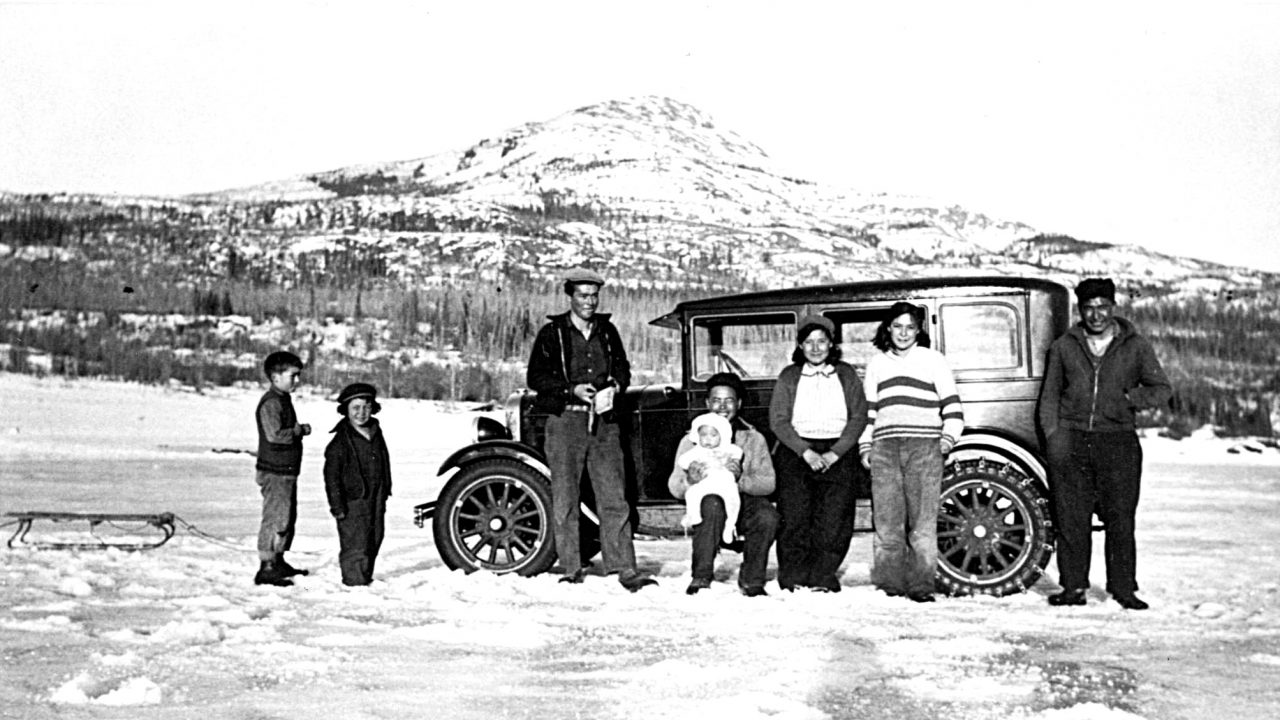
During the Second World War, the NFB was engaged in a propaganda war against tyranny, totalitarianism and the racism of the Nazi regime. Its films, which promoted democracy and Canadian values, were seen by hundreds of thousands of Canadians, in nearly 800 cinemas across the country. They were also seen by about three million Americans, in about 6,000 theatres across the United States, thanks to a distribution deal between the NFB and United Artists (led at the time by Charlie Chaplin and Mary Pickford). The Academy of Motion Picture Arts and Sciences soon recognized the high quality of these short films, which ran about 15 minutes and were screened ahead of feature presentations. During the 14th Oscars ceremony in 1942, Churchill’s Island (1941), directed by Stuart Legg, won in the new Documentary (short subject) category, which had been introduced that year—making Legg the first Oscar-winning documentary director in film history.
Churchill’s Island, Stuart Legg, provided by the National Film Board of Canada
The 98th Academy Awards take place on March 15, 2026. While you wait for the ceremony, I invite you to watch our 11 Oscar-winning films. To see all of the NFB’s Oscar-nominated films, click here.