For Students 11–15 | Using King’s Court to Drive Social-Emotional Learning Through Student Voice
For Students 11–15 | Using King’s Court to Drive Social-Emotional Learning Through Student Voice
From the basketball court to the classroom, Ontario middle school teacher Melissa Johnston shares how using the King’s Court Lesson Pack helped her students explore identity and belonging.
King’s Court | Educational Version, Serville Poblete, provided by the National Film Board of Canada
At a glance:
Ages: 11–15
Time:
Film runtime: 20 min
Activity time: Varied. Select activities relevant to the classroom (up to ~5 class periods, or 5–6 hours if all completed).
Resource format: A lesson pack comprising an interactive digital resource including an education cut of the film, accompanied by a modifiable, printable student workbook as a Google document, and an educator guide.
School Subjects:
Language, Social Studies, Physical Education and Health, Geography
Topics:
Inspiration, friendships, coping with setbacks, learning from mistakes, mindfulness, empathy
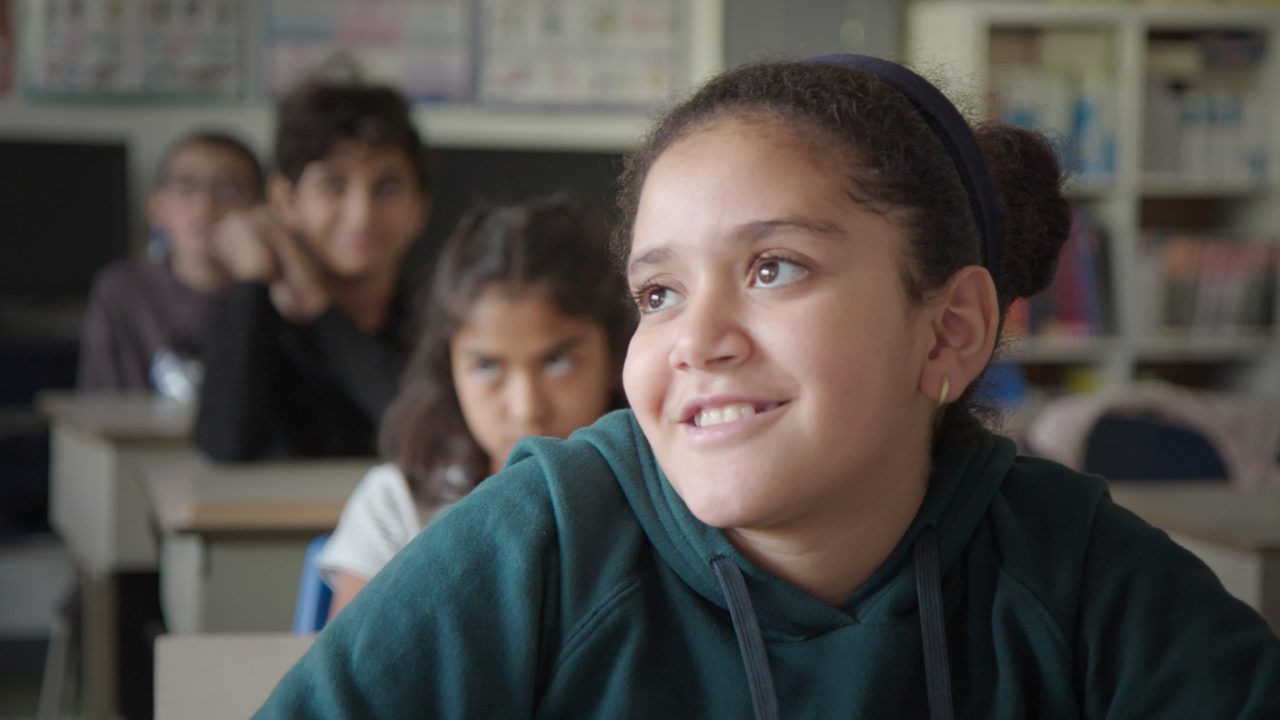
In the busy daily flow of our classrooms, it can be challenging to carve out time to meaningfully address real-life issues that matter to our students. While topics like goal-setting and social-emotional learning come up, there is still a noticeable lack of quality resources that reflect middle-grade students’ identity and interests and feel relevant for a Canadian context. NFB Education has addressed all these concerns and more with their new lesson pack for the documentary King’s Court, which follows two friends from Toronto’s St. James Town as they play basketball and navigate identity and friendship within their community. Not only has the NFB produced a compelling Canadian documentary that my students enjoyed watching, it has created a dynamic, modifiable, classroom-ready interactive lesson pack. This resource features special additional footage of Marley, one of the film’s youthful protagonists, who draws students in to learning about tough subjects, like how to cope with setbacks, and offers them the chance to reflect on their own lives through a multitude of engaging activities that have them consider how their own identity and passions show up in their goals.
Customizing the Lesson Pack for Your Classroom
What I really love about this resource is the customization offered to us as teachers, both in terms of content and format. In terms of the content, you can show only the education cut of the documentary and cherry pick which lessons you want to use, and in terms of format, students can either follow along individually on their devices or work through all the “plays” as a class, using either a digital or printed version of the accompanying student workbook.
Every lesson is presented as a basketball play, which connects to the compelling storytelling of the documentary itself and provides a new level of engagement for students. In the interactive playbook, each prompt is prefaced with a short clip from the documentary to refresh students’ memories. This allows students to pull information from the documentary without having to sort through what they may or may not remember from an earlier viewing.
Laurie Townshend, the filmmaker-educator who created the lesson pack, provides enough ideas in the digital playbook to get you started, with ample opportunities to expand on each play and create a more in-depth unit of study. The accompanying student workbook matches each play in an accessible and ready-to-print Google Slides format. These are all great activities to use as a springboard for a variety of other assignments—maybe the Free Write is the first one you do as a class, and it becomes a weekly routine! This impressive lesson pack also includes an educator guide, which provides useful connections to other films, as well as an overview of what assessment could look like.
Using the King’s Court Lesson Pack in the Classroom
In our Grade 7 team, we screened the documentary, had a discussion around the main ideas proposed in the interactive playbook, and let students sit with the subject matter. Even though my school is located in Toronto, where the documentary is based, many students were not familiar with the neighbourhood referenced in the film, which sparked meaningful discussions about diversity within our city. It was refreshing to have a resource that grounds learning experiences in real, local contexts, while encouraging students to listen, question, and broaden their understanding of the varied identities and experiences that exist around them.
Next, students had a choice of which creative activity to tackle. The identity silhouette quickly became a favourite. Through brainstorming and careful word choice, students reflected on how they see themselves and how they want to be seen by others. Then, they followed a series of clearly defined steps to create a visual representation of their identity, using the silhouette of their own photo. The final product was not only visually striking but also provided meaningful representations of student voice and identity, which was a powerful visual in the classroom. This activity supports key concepts in our province’s Language curriculum, with students generating and organizing ideas, making intentional language choices, and communicating their thinking for a specific purpose and audience in a substantial way.
The entire unit ended up lasting a few weeks, and we chose activities that we knew our students would enjoy and were directly related to our Language curriculum. While some of the resources were fantastic for online use (for example, the instructions for the identity silhouette), we also found that printing parts of the playbook for students was valuable when we wanted written work with minimal technology (for example, the Free Write). In our school, we focused extensively on student identity and belonging, and I found this resource provided a multitude of ways for students to express themselves, while giving teachers substantial assessment opportunities.
Looking ahead, I would intentionally use this resource at the beginning of a term to help build connections and better understand my students. It creates space for students to reflect on their identities and share their goals in a way that feels authentic and engaging. In our circumstances, it aligned perfectly with our Language curriculum, from creating media texts to writing in a variety of forms. It would also be valuable for Health and Physical Education teachers undertaking any discussions around mental health, well–being, and healthy relationships. Additionally, it opens the door to in-depth discussions around being a good sport, resilience, and navigating challenges. The film itself offers significant cross-curricular connections to Geography, specifically the analysis of urban life and infrastructure, and the diverse experiences that exist within a single city.
Using a resource like the King’s Court Lesson Pack reminds me how important it is to take the time to address our students’ well–being alongside the development of critical–thinking skills. The resource makes it easy to start the conversation, whether it be for a single lesson or a longer unit, and the variety of quality activities centres student voice and identity in a way that helps students create end products they can truly be proud of.
I’m looking forward to using this lesson pack again in the coming school year!
Check out the Lesson Pack here!
Melissa Johnston is a middle school educator in the Toronto District School Board. With over 16 years of experience, she integrates digital media and documentary film into her teaching to foster critical thinking, amplify student voice, and encourage students to question the world around them.
Discover more Educational blog posts | Watch educational films on NFB Education | Watch educational playlists on NFB Education | Subscribe to the NFB Education Newsletter